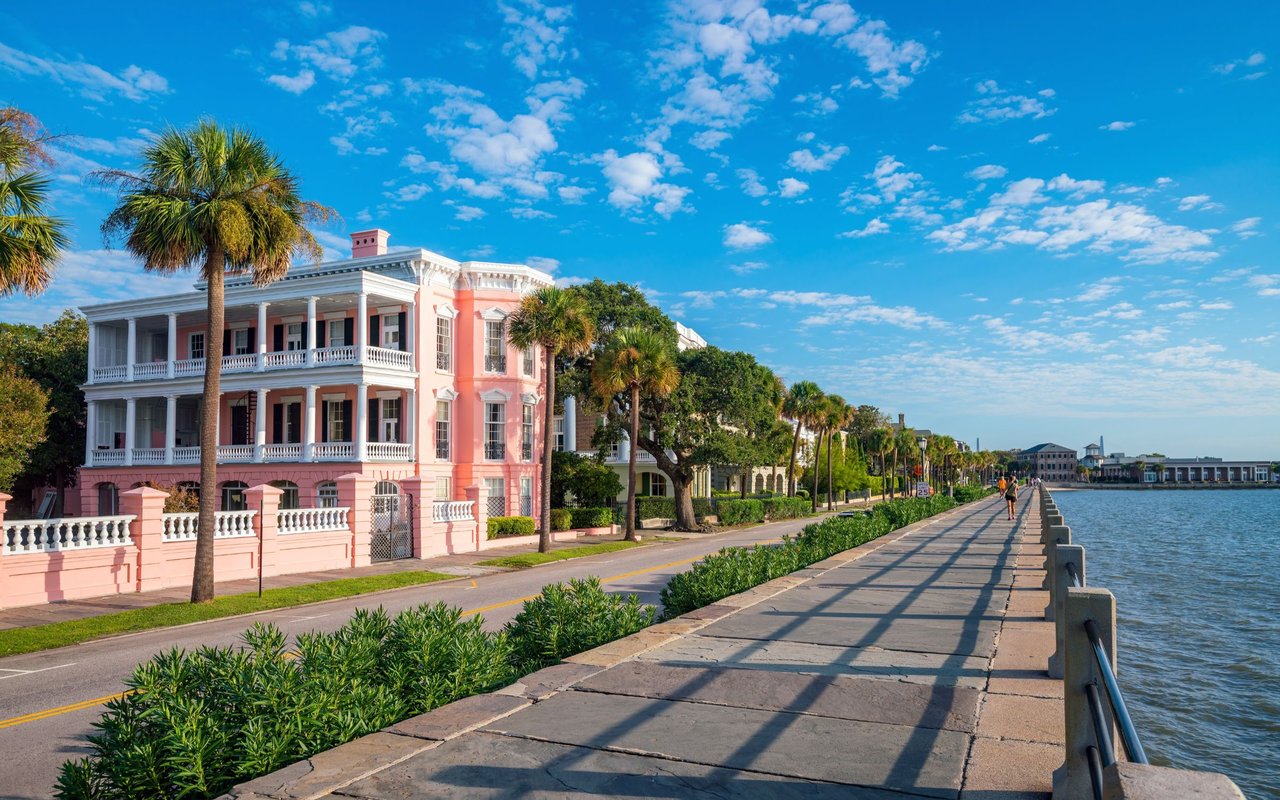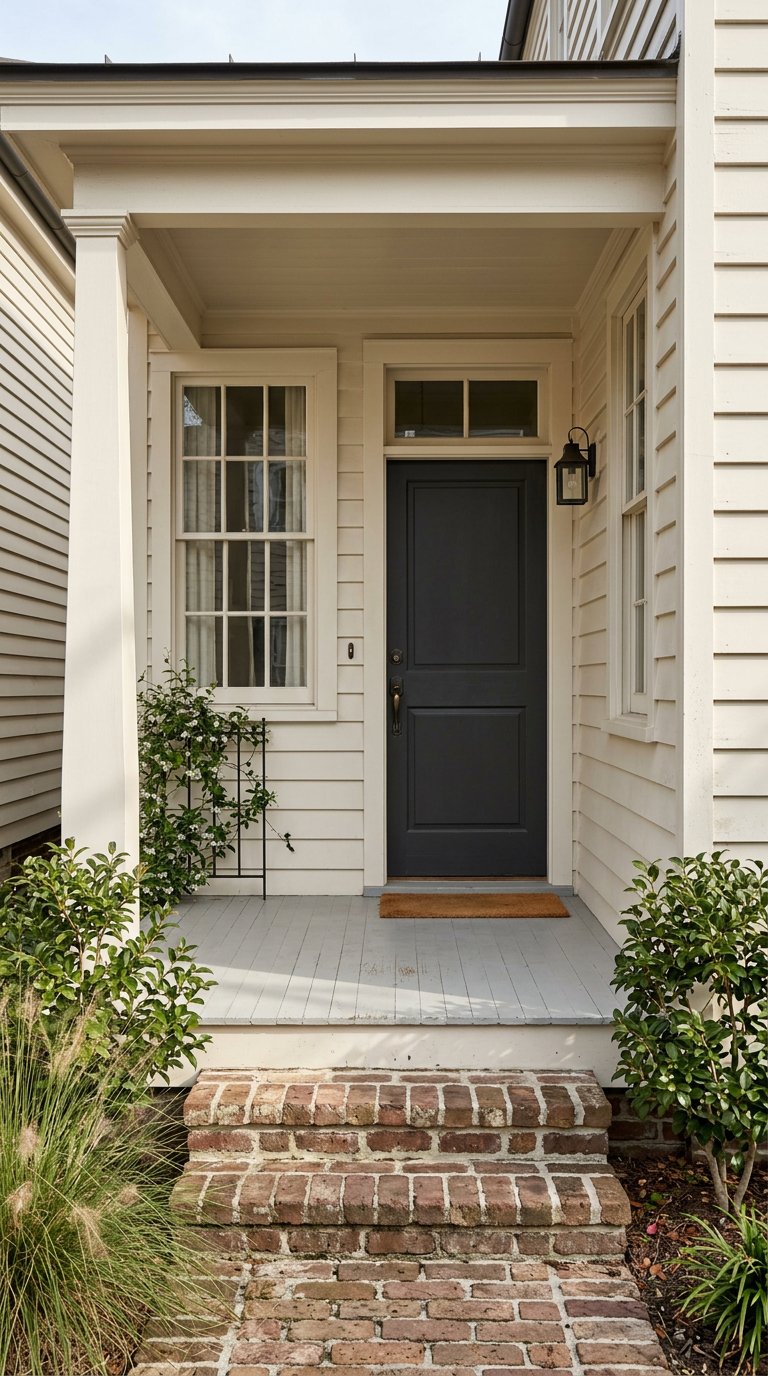
Charleston’s historic homes have a way of stopping you in your tracks. The side piazzas, tall shutters, and flickering lanterns hint at stories that span centuries. If you’re drawn to that character, you also want clarity on rules, risks, and costs before you commit. In this guide, you’ll learn what “historic” means in Charleston, how renovations are approved, which inspections matter most, and the financing and incentives that can help. Let’s dive in.
What “historic” means in Charleston
Buying in Charleston often means your property or block sits within areas reviewed by the City’s Board of Architectural Review (BAR). The BAR oversees exterior work that is visible from the public right of way and reviews demolitions in mapped purview areas. Their standards prioritize repair and preservation of historic character. You can confirm jurisdiction and process details on the City’s Board of Architectural Review overview page.
The City’s purview depends on location and, in some cases, age. For example, demolition-review triggers can apply to buildings 50 years or older in certain mapped areas. Always verify parcel coverage using the Historic Districts Purview Map before you plan work.
National vs local oversight
A listing on the National Register of Historic Places is valuable for documentation and potential tax incentives, but it does not create local design review by itself. Local BAR rules and any recorded preservation easements are what directly govern exterior changes. When in doubt, ask City preservation staff to clarify what applies to your address.
Preservation easements
Some properties have a private preservation easement, often held by Historic Charleston Foundation, recorded on the deed. Easements can protect significant interiors, trees, and archaeological features, and they can list prohibited changes. They remain in place for all future owners. Review the Foundation’s program and easement information on Historic Charleston Foundation’s easement page and confirm any recorded easement during due diligence.
Charleston house styles and character
Charleston’s “single house” is the city’s signature form: a narrow gable to the street, long side facing the garden, and stacked side piazzas designed to catch coastal breezes. You’ll also find double or central-hall houses, cottages, townhouses on narrow lots, and larger antebellum residences. Typical features include tall ceilings, transoms, true-divided-lite wood windows, operable shutters, beaded siding, decorative millwork, and historic roof materials like standing-seam metal, slate, or terra cotta.
Materials that matter
Historic materials are often meant to be repaired rather than replaced. The City’s BAR guidance emphasizes in-kind repair of windows, piazzas, and roofing, and the proper use of compatible lime-based mortars for old brick. Painting previously unpainted masonry and using hard Portland cement on soft historic brick are discouraged. You can review policies and technical references in the City’s BAR Guidelines booklet.
How rules shape renovations
In most BAR purview areas, any exterior work visible from the street needs approval. Smaller repairs often receive staff sign-off, while additions or more visible changes go before the Board with formal submittals and meetings. Early contact with City preservation staff helps you understand timelines and avoid redesigns.
What you can usually do
Interior updates like kitchen and bath improvements are typically feasible, especially when they do not alter features protected by an easement. Enclosing a piazza, adding a visible rooftop unit, or changing window materials can be complex and may require multi-stage review. A preservation-minded architect and contractors experienced with historic fabric can streamline approvals and craftsmanship.
Due diligence and inspections that save you money
Start with a home inspector who specializes in older and historic structures. Conventional reports may miss issues like inappropriate past repairs, hidden decay, or sensitive materials. Learn what a historic-focused inspection covers from ASHI’s guidance on historic home inspections.
Specialist checks to add
- WDO/termite inspection, given Charleston’s climate and raised wood structures.
- Structural engineer review of porches, chimneys, and pier or crawlspace foundations.
- Roofing or masonry specialist familiar with slate, terra cotta, standing-seam metal, and lime-mortar repointing.
- Lead-based paint test for pre-1978 surfaces and a plan that follows the EPA’s Renovation, Repair and Painting (RRP) rule.
- Asbestos sampling where older tiles, adhesives, or insulation are suspected.
Flood and elevation checks
Confirm FEMA flood-zone status, request any elevation certificate, and talk with an insurance agent early. Charleston provides helpful context in its Flood Information FAQs. Flood risk and premiums can materially affect your budget and lender requirements.
Title and permit history
Order a thorough title search to surface any recorded preservation easement, utility easements, or covenants. Ask the seller for prior BAR approvals and permit records so you know what was approved, what may need correction, and where future approvals could be straightforward.
Financing, incentives, and insurance
If you plan to renovate, consider a purchase-plus-renovation loan. Programs like FHA 203(k) and Fannie Mae HomeStyle Renovation can roll acquisition and repairs into one mortgage. Work with a lender experienced in these programs and clarify consultant roles, draw schedules, and timelines.
South Carolina offers a state historic rehabilitation credit for qualifying owner-occupied residential projects. Eligibility, minimum qualified costs, and timing rules apply, so consult a tax advisor and the State Historic Preservation Office. For reference, see the state’s published guidance in the South Carolina Tax Incentives manual.
Local assistance may also be available. Historic Charleston Foundation operates programs that help maintain historic exteriors and support long-term stewardship; explore the Common Cause Loan Fund for context on how local financing tools can complement your plan.
Smart offer strategy for historic homes
Use a clear, contingency-backed approach so you can compete with confidence while protecting yourself.
Before you bid, do this:
- Confirm BAR coverage. Search your address on the City’s Historic Districts Purview Map and review the BAR’s process overview.
- Check for easements. Ask for any recorded preservation easement documents and cross-check with Historic Charleston Foundation’s easement resources.
- Assess flood risk early. Review the City’s Flood Information FAQs and request an elevation certificate if available.
- Line up specialized inspections. Hire a historic-experienced inspector and schedule WDO, lead, and asbestos testing based on age and materials. See ASHI’s historic inspection overview.
- Secure renovation financing guidance. If you plan improvements, get pre-approved with a lender experienced in FHA 203(k) or similar programs.
Contingencies to consider:
- General inspection contingency plus addenda for WDO, lead-based paint, asbestos, and a structural engineering review of porches and foundations.
- Title contingency that includes recorded-easement review and acceptance.
- If you anticipate visible exterior changes, consult a preservation architect before you offer so you understand likely BAR pathways and timing.
Red flags to surface during inspections
- Vinyl or synthetic siding applied over historic wood, hard Portland-cement mortar on soft brick, or paint on previously unpainted masonry. These can trap moisture and create expensive fixes.
- Recurrent flooding or drainage issues, lack of an elevation certificate, or a flood-zone designation that drives significant insurance costs.
- Evidence of structural movement, deteriorated chimneys, failing porches, or undersized/obsolete systems like knob-and-tube wiring or cast-iron drains.
- Unrecorded or undisclosed preservation easement that affects your plans.
Bringing it all together
Buying a historic home in Charleston is both an emotional decision and a strategic one. With the right research, specialized inspections, and a plan that aligns with BAR rules and proven preservation practices, you can protect the character you love while managing cost and risk. If you want a focused, locally grounded approach to finding and securing the right historic property, we’re here to help.
Ready to explore Charleston’s historic homes with a steady advocate by your side? Connect with Ayana Johnson for tailored guidance, smart negotiations, and a clear path from offer to restoration.
FAQs
What is the BAR and how will it impact my renovation?
- The City’s BAR reviews exterior work visible from the street and certain demolitions, so your design, materials, and timeline should align with its published standards and process.
Can I enclose a Charleston piazza on a historic home?
- Piazza enclosures are often sensitive and may face strict review; expect to justify any change and explore alternatives that preserve the open, character-defining porch.
Which inspections are essential for a Charleston historic home purchase?
- In addition to a historic-focused general inspection, plan for WDO, lead-based paint testing, possible asbestos sampling, and structural, masonry, or roofing specialists as needed.
How do flood zones affect buying a historic home in Charleston?
- Flood-zone status and elevation can influence insurance requirements, premiums, and lender underwriting, so verify zone, request an elevation certificate, and price coverage early.
What financing can help me buy and restore a historic property?
- Purchase-plus-renovation loans like FHA 203(k) and HomeStyle can combine acquisition and repair funds, but they require experienced lenders, defined scopes, and added approvals.
Are there tax credits for restoring an owner-occupied historic home in South Carolina?
- Yes, South Carolina offers a state historic rehabilitation credit for qualifying owner-occupied projects; eligibility and timing rules apply, so consult a tax advisor and the SHPO.