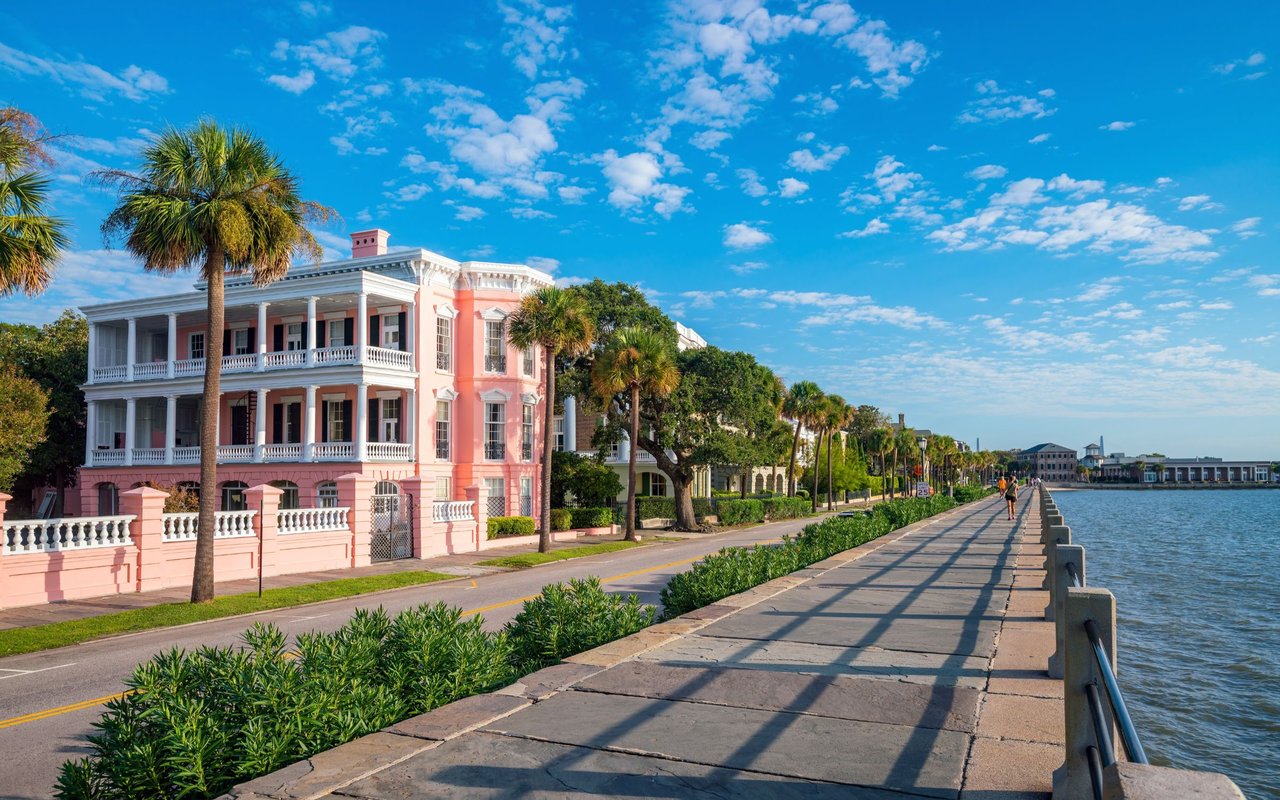
Thinking about buying or selling in Charleston and not sure where to start? You’re not alone. The market here plays by its own rules because of coastal living, historic protections, and a fast‑growing economy. In this guide, you’ll learn how the local market really works, from seasonality and inventory to neighborhood differences, flood and insurance realities, and smart timing. Let’s dive in.
What drives Charleston housing
Charleston’s market is powered by steady job and population growth. The Port of Charleston, major employers like Boeing and medical systems, Naval installations, and a strong tourism sector draw both relocating professionals and retirees. Investor interest and seasonal short‑term rentals near beaches and downtown also shape demand and pricing.
You’ll hear people say “the Charleston market,” but it’s really a set of different micro‑markets. The Peninsula, Mount Pleasant, West Ashley, North Charleston, the islands, and planned communities each behave differently. That’s why pricing, days on market, and offer strategies can vary mile to mile.
Seasonality and timing
Spring, from February through May, is the traditional peak season. More homes list, showings jump, and desirable areas often see multiple offers. If you’re selling, preparing in late winter helps you hit that wave of demand.
Summer stays active, but beach season can complicate showings in coastal areas due to tourism and rental turnover. Expect tight booking windows and more out‑of‑town buyers.
Fall usually cools from September through November. Competition eases, which can help buyers. Families often target this window since weather cooperates and school calendars stabilize.
Winter and holidays are slowest, yet deals do happen. You’ll see fewer listings, but also fewer competing buyers, and some sellers are motivated to close before year‑end or early in the new year.
Inventory and competition
Inventory in Charleston often runs tighter than national averages, especially for single‑family homes in historic and coastal zones. Condos and newer subdivisions can offer more options. Months of supply and days on market shift with interest rates and new construction, so check the latest local report before you act.
In hot submarkets like the Peninsula, Mount Pleasant, and the beach islands, you should plan for multiple offers at times. Cash and high‑down‑payment buyers are common on waterfront and luxury listings. Escalation clauses and pre‑inspection strategies show up more in these areas. Use them wisely with a local advisor.
New construction in growth corridors helps some buyers. Parts of West Ashley, North Charleston, and areas near Summerville and Dorchester provide additional new‑build supply. These communities attract buyers who value newer systems, planned amenities, and predictable maintenance.
Micro‑market cheat sheet
Below is a quick orientation, so you can match your goals to the right areas.
Charleston Peninsula / Historic District
- Housing: Historic single‑family homes, townhouses, condos, and some converted buildings.
- Buyer profile: Walkability and architecture lovers; second‑home and investor interest in condos.
- Supply: Very limited; renovations and small lot conversions are common.
- Key notes: Preservation boards review exterior changes, parking is tight, prices run high per square foot, and some low‑lying streets face flood risk.
Mount Pleasant
- Housing: Suburban neighborhoods, planned communities, townhomes, and newer condos.
- Buyer profile: Professionals and households seeking proximity to jobs and amenities.
- Supply: Active new construction meets strong sustained demand.
- Key notes: Traffic can be busy along key corridors; developer activity influences inventory.
James Island & West Ashley
- Housing: Mix of older ranch homes and newer subdivisions at varied price points.
- Buyer profile: Buyers seeking proximity to downtown at relatively lower prices.
- Supply: More options than the Peninsula, with price sensitivity.
- Key notes: Flood risk varies by street; check elevation and floodplain data.
North Charleston
- Housing: Diverse stock near industrial corridors, single‑family neighborhoods, condos, and apartments.
- Buyer profile: A broad range, including investors; redevelopment underway in some areas.
- Supply: Generally more inventory and value opportunities.
Johns Island / Cainhoy area
- Housing: Larger lots, rural‑to‑suburban communities, and higher‑end new developments.
- Buyer profile: Space seekers and buyers drawn to newer luxury communities.
- Supply: Expanding quickly in select pockets.
Daniel Island
- Housing: Master‑planned community with newer single‑family homes, townhomes, and condos.
- Buyer profile: Planned‑community amenities and newer construction appeal.
- Supply: Resale inventory varies within the community’s plan.
Isle of Palms & Sullivan’s Island
- Housing: Luxury beach houses, seasonal rentals, and condos.
- Buyer profile: Vacationers, second‑home buyers, and luxury purchasers.
- Supply: Scarce for quality beachfront; strong price premiums.
- Key notes: Strict local rules for rentals, higher wind and flood insurance costs, and evacuation logistics.
Folly Beach
- Housing: Cottages, beach houses, and some condos with a relaxed vibe.
- Buyer profile: Second‑home buyers and those favoring a laid‑back beach town feel.
- Supply: Mix of older cottages and updated homes; availability varies.
Across all submarkets, waterfront orientation and elevation have major pricing and insurance impacts. Oceanfront, riverfront, and marsh views all price differently, and even small elevation changes can affect flood insurance.
Historic rules you should know
If you’re considering the Peninsula or a designated historic area, learn how the Board of Architectural Review works. Exterior changes often require a Certificate of Appropriateness. Plan for additional time, design reviews, and potential permit fees. Before you budget a big renovation, confirm what’s allowed.
Flood risk, elevation, and insurance
Charleston experiences tidal flooding, storm surge, and long‑term sea‑level rise. Lenders use FEMA flood maps to determine when flood insurance is required. Local ordinances may set elevation standards and building details like flood vents for new construction.
Insurance deserves an early conversation. In coastal zones, flood and wind coverage can be significant factors. Some properties face higher hurricane deductibles or limited carrier options. Ask for an elevation certificate if available, get quotes from a local insurance agent, and compare both NFIP and private flood options.
Short‑term rental rules
Short‑term rental regulations vary by municipality and neighborhood. The City of Charleston has strict rules in historic and residential districts, including permitting and business licensing. Isle of Palms, Mount Pleasant, Sullivan’s Island, and Folly Beach each set their own rules, taxes, and caps. Policies can change, so verify the current ordinance before you buy or convert a property.
Taxes and closing costs
Property taxes are set by Charleston County with rates that vary by municipality and special districts. South Carolina offers certain exemptions, including programs for eligible senior or owner‑occupant households. Closing costs also include recording fees and typical settlement charges. Many items are negotiable within the offer.
How to buy smart in Charleston
- Get preapproved with a local lender and clarify your contingency strategy.
- Pull neighborhood‑level stats like days on market and months of supply.
- Request flood and elevation information and review recent surveys when available.
- Hire inspectors who understand historic structures and coastal systems.
- Confirm short‑term rental rules if investment income is part of your plan.
Pro tip: In multiple‑offer areas, clean terms, flexible timelines, and strong communication help. Your agent can guide escalation clauses and pre‑inspection strategies so you protect your interests.
How to sell well here
- Pick timing with purpose. Spring often brings the most competition, but motivated buyers shop year‑round.
- Price to your micro‑market. Use hyperlocal comps and adjust for elevation, flood mitigation, and unique features.
- Prepare targeted repairs. Roof, HVAC, wood rot, and moisture fixes can matter more than cosmetic refreshes, especially with historic homes.
- Consider a pre‑listing inspection and gather key documents like any elevation certificate, permits, and past Certificates of Appropriateness.
Well‑executed marketing and negotiation can make a measurable difference, especially for coastal and luxury listings. White‑glove presentation helps buyers see the value and move with confidence.
Putting it all together
Charleston rewards buyers and sellers who tailor their strategy to the micro‑market, the season, and the property’s specific risks and rules. When you match pricing, timing, and terms to local realities like flood zones, STR ordinances, and historic review, you set yourself up for a smoother deal and stronger outcome.
If you’re ready to plan your next move, let’s talk about timing, pricing, and a strategy that fits your goals. Request your Home Estimate or connect for a private consult with Rose Gold Properties.
FAQs
What makes Charleston’s housing market different?
- Coastal location, historic protections, tourism, and steady in‑migration create tight inventory and distinct micro‑markets with varying pricing and demand.
When is the best time to sell a home in Charleston?
- Spring is traditionally strongest, but motivated buyers shop year‑round. The right prep and pricing can win in any season.
How do I check flood risk for a Charleston property?
- Ask for an elevation certificate if available, review FEMA flood zones, and get quotes from a local insurance agent before you finalize terms.
What should I know about renovating in the Historic District?
- Exterior changes often need approval and a Certificate of Appropriateness, which can add time and cost. Confirm rules before planning major work.
How do short‑term rental rules affect buying an investment property?
- Cities and islands set their own STR ordinances, permits, and taxes. Verify current rules for the specific address before you buy.
Why do waterfront homes have such different prices?
- Orientation and elevation drive value and insurance. Oceanfront, inlet, marsh, and river settings each carry different premiums and risk profiles.