If you’re drawn to Isle of Palms, one big question usually comes first: should you live here full time or enjoy it as a second home? That choice can shape everything from your daily routine to your tax bill, storm planning, and rental options. The good news is that Isle of Palms can support both lifestyles, as long as you understand how the island really works. Let’s dive in.
Why Isle of Palms Fits Both Lifestyles
Isle of Palms is both a residential community and a resort destination. The city describes it as a 3.5-square-mile island with about 5,000 year-round residents, but says peak-season activity can rise to about 50,000 with day visitors and vacationers.
That mix is a big part of the island’s appeal. You get the beauty and energy of a beach town, along with the practical structure of a place where people live year round. For many buyers, the real decision is not whether Isle of Palms is desirable, but which type of ownership best matches how they want to use the property.
Daily Life on Isle of Palms
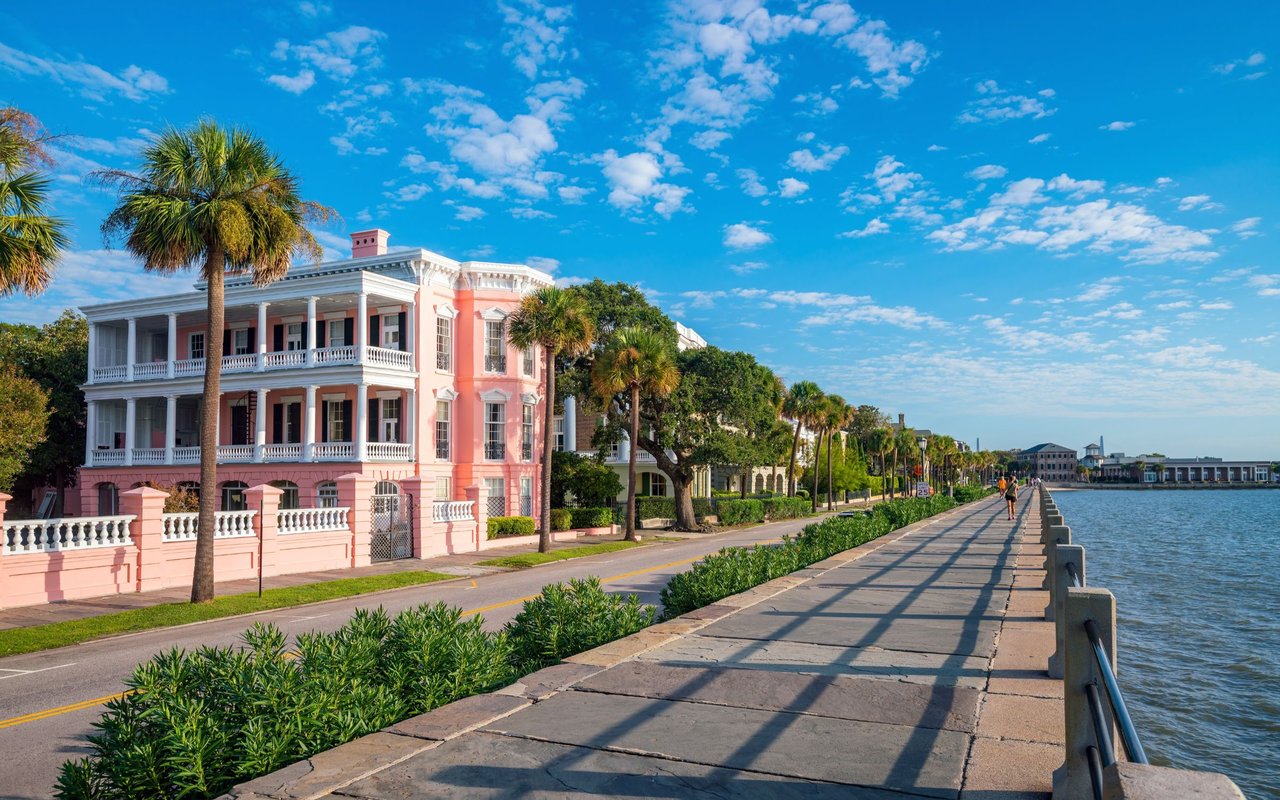
Life on Isle of Palms centers on the outdoors. The city notes that most roads have marked bike paths, and the island supports activities like boating, fishing, golf, tennis, and beach time.
If you picture mornings on a bike, afternoons near the water, and an easy coastal rhythm, that lifestyle is very real here. Bicycle and golf cart rentals are available too, which adds convenience for part-time owners and guests.
The island also offers more than just vacation-style recreation. The city runs programming that includes summer activities, group fitness, athletics, and special events, which helps make Isle of Palms feel more livable for full-time residents.
What Seasonality Really Means
Seasonality matters on Isle of Palms. The city says peak season routinely runs from Good Friday through Labor Day, and that affects traffic, parking, and the overall pace of the island.
During the busier months, you should expect more activity, especially on weekends and holidays. The city specifically plans for connector traffic management and seasonal police staffing during parts of the year, which shows just how much the island shifts between off-season calm and peak-season demand.
For some buyers, that energy is part of the fun. For others, it is a reason to think carefully about whether they want to be here full time or prefer using the home seasonally.
Full-Time Living: What to Expect
If you are considering Isle of Palms as your primary residence, it helps to look beyond the beach and think about everyday function. The city provides core municipal services including garbage collection, yard debris pickup, beach maintenance, drainage, recycling, street lights, street sign replacement, and mosquito control.
That service base supports a true residential experience. Isle of Palms is not simply a place to visit for a long weekend. It is set up to serve homeowners who need reliable day-to-day infrastructure.
Safety services are also a meaningful part of full-time ownership. The fire department reports an average response time of under three minutes, offers fire inspections, and installs smoke detectors free of charge.
Mainland Access Still Matters
Even if you live on the island full time, many daily needs connect back to the mainland. The city lists East Cooper Medical Center and Roper St. Francis Mount Pleasant Hospital in Mount Pleasant, along with mobile urgent care serving Isle of Palms.
The island is also described as a bedroom community of greater Charleston. In practical terms, that means many residents rely on mainland services, shopping patterns, and regional commuting routes.
The seasonal Beach Reach shuttle also connects the island to Mount Pleasant Towne Centre and CARTA routes. That is helpful context if you are weighing full-time convenience against the charm of barrier-island living.
Second Home Ownership: A Strong Lifestyle Fit
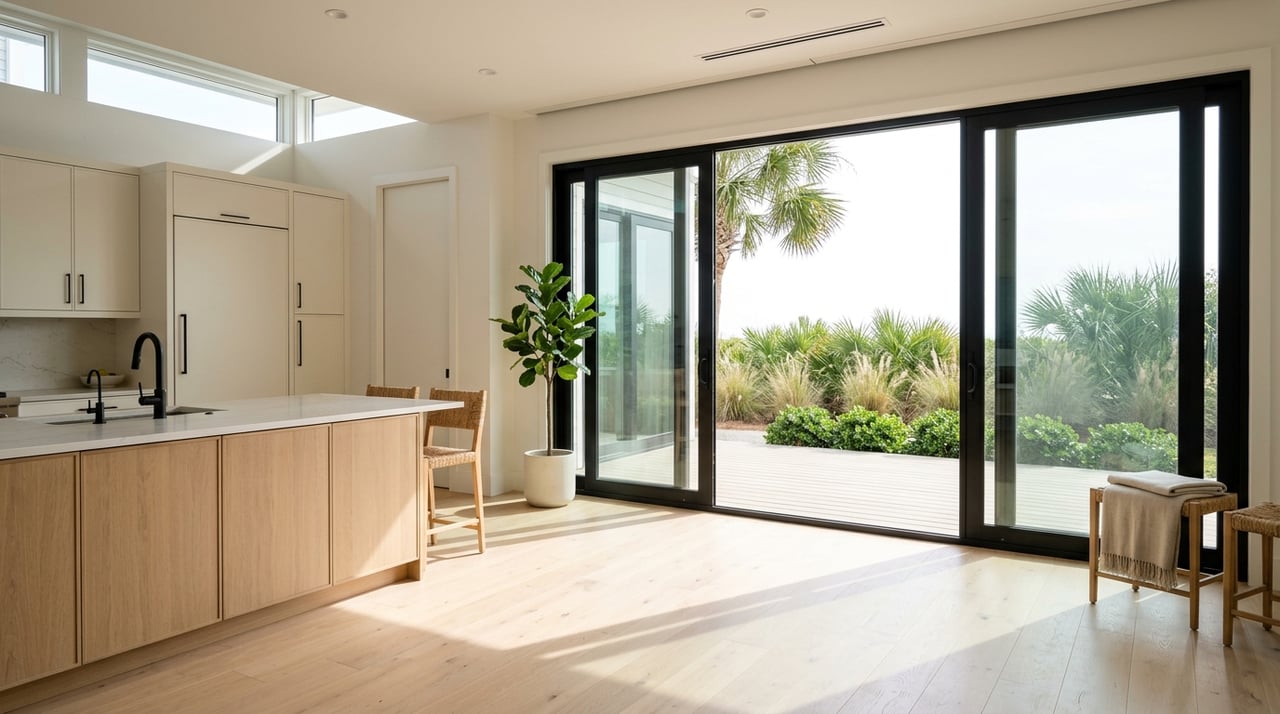
For many buyers, Isle of Palms makes natural sense as a second home. The housing stock is broad, with options ranging from condos and cottages to large oceanfront homes, and settings that may include marsh, golf, ocean, or intracoastal views.
That variety creates flexibility. You may want a lower-maintenance condo for easy lock-and-leave use, or a larger property for extended family stays and seasonal entertaining.
The resort identity also plays a major role. The city describes Wild Dunes as a major vacation locale with nationally recognized golf courses and resort amenities, which reinforces the island’s appeal for buyers who want a getaway property with a polished coastal feel.
Renting a Second Home: Know the Rules
If you plan to offset costs by renting your property, due diligence is essential. The city requires a short-term rental business license for residential units rented for any length of time.
The rules go further than just licensing. The city regulates occupancy and parking, and requires a 24/7 owner contact with an on-site representative able to respond within one hour.
That means rental ownership on Isle of Palms is active, not passive. It can work well for the right buyer, but it requires compliance and ongoing management.
The city also says short-term rental owners can apply for up to four portable parking permits per year. Rentals of 30 days or less are subject to a 14% combined tax-and-fee stack that includes state, county, city, and beach-preservation charges.
Just as important, the city can revoke rental licenses after repeated complaints or nuisance activity. If rental income is part of your strategy, you need to factor in both the opportunity and the responsibility.
Beach Access and Everyday Rules
Whether you live here full time or part time, beach access is part of daily life. The city says there are more than 50 beach access paths, which makes getting to the shoreline relatively easy across the island.
At the same time, the beach is closely regulated. Driving on the beach or access paths is prohibited, and the city encourages people to avoid peak traffic hours.
Beach rules also affect routine use. Smoking and vaping are banned on the beach and access paths, motorized vehicles are not allowed on the beach, and dogs must meet leash and rabies requirements.
These rules help preserve the beach environment and shape the ownership experience. If you are buying here, it is wise to think about how comfortable you are with a community that actively manages seasonal use and public access.
The Biggest Financial Difference: Tax Status
One of the most important differences between a primary residence and a second home on Isle of Palms is property tax treatment. Charleston County says the 4% legal residence ratio applies to a primary legal residence and must be applied for.
For non-primary residences and other real property, the county tax estimator says the 6% ratio applies. That difference can materially affect annual ownership costs, especially at higher price points.
The legal residence exemption is not automatic. Charleston County says the filing deadline is typically January 15, so timing and paperwork matter.
There may also be added tax relief for some primary residents. The South Carolina Department of Revenue says the homestead exemption can remove taxes on the first $50,000 of fair market value for qualifying homeowners who are 65 or older, totally and permanently disabled, or legally blind.
Flood Insurance and Coastal Planning
On Isle of Palms, flood risk is not a side issue. The city says the island is a low-elevation barrier island, and that most property is in or very near a flood plain.
The city also states that standard homeowner policies do not cover flooding. For both primary and second-home buyers, flood insurance should be treated as a separate budget item from the start.
Timing matters too. The city says flood insurance typically has a 30-day waiting period, so this is not something to leave until the last minute.
If you are considering renovations, major improvements, or a teardown and rebuild, flood rules become even more important. The city participates in the National Flood Insurance Program and requires new construction or substantial improvements to meet current flood-zone standards.
Storm Readiness Is Part of Ownership
Every coastal buyer should think through storm preparation before buying, not after. The city advises residents to have an evacuation plan and keep important documents ready.
Re-entry is another practical detail. The city says re-entry decals are issued after parking permit approval, and residents need them to return after storms.
That matters most for full-time owners, but second-home buyers should pay attention too. If you own on Isle of Palms, hurricane readiness is part of responsible ownership.
How to Decide Which Option Fits You
The best choice often comes down to how you plan to use the property. Isle of Palms can work beautifully as a primary home if you want a coastal daily lifestyle and are comfortable with seasonal traffic, mainland service reliance, flood planning, and storm preparedness.
It can also be a smart second-home market if you want flexibility, resort access, and the option to enjoy the island part of the year. If you also plan to rent, you need to be ready for licensing, taxes, parking rules, and active oversight.
A simple way to think about it is to compare these four questions:
- How often will you personally use the home?
- Do you want to live with peak-season traffic and visitor activity year round?
- Will you rent the property, and are you prepared to follow local rental rules?
- Are you ready for the added planning that comes with flood risk and hurricane preparedness?
If you can answer those clearly, the path usually becomes much easier to see.
Whether you are searching for a full-time coastal home or a refined island retreat, the right decision starts with clear local guidance and careful due diligence. If you want help comparing options on Isle of Palms and finding the ownership style that fits your goals, connect with Ayana Johnson for tailored, high-touch guidance.
FAQs
Is Isle of Palms better for a second home or a primary residence?
- Isle of Palms can work well for either, depending on how often you will use the home, your comfort with seasonal activity, and whether you want to manage storm preparation, flood planning, and possible rental compliance.
What is daily life like for full-time residents on Isle of Palms?
- Full-time life on Isle of Palms includes city services like garbage collection, recycling, drainage, mosquito control, and beach maintenance, along with a lifestyle centered on outdoor recreation and regular trips to mainland services in Mount Pleasant and greater Charleston.
Can you rent out a second home on Isle of Palms?
- Yes, but the city requires a short-term rental business license for residential units rented for any length of time, along with rules for occupancy, parking, and a 24/7 owner contact with an on-site representative able to respond within one hour.
What property tax difference applies on Isle of Palms?
- Charleston County says a primary legal residence may qualify for the 4% legal residence ratio if you apply, while a non-primary residence generally falls under the 6% ratio.
Do Isle of Palms homes need flood insurance?
- Flood insurance is a major consideration because the city says most property is in or very near a flood plain, and standard homeowner policies do not cover flooding.
What should buyers know about storm planning on Isle of Palms?
- Buyers should know that hurricane readiness is part of ownership, including evacuation planning, keeping important documents ready, and understanding that residents need re-entry decals issued after parking permit approval to return after storms.