If you are deciding between new construction and a resale home in Summerville, you are not alone. This is one of the most common questions buyers face here because Summerville offers both fast-growing planned communities and established neighborhoods with a very different feel. Understanding how the two options compare can help you choose the right fit for your budget, timeline, and lifestyle goals. Let’s dive in.
Why this choice matters in Summerville
Summerville gives you a true side-by-side comparison that many markets do not. You can explore newly built homes in large master-planned communities, or you can focus on resale homes in more established parts of town where neighborhood character has developed over time.
That contrast matters in a market where buyers are weighing timing and price together. In February 2026, Redfin reported a median sale price of $347,000 in Summerville, with homes averaging 92 days on market. That kind of market activity means many buyers are comparing multiple home styles, locations, and purchase timelines at once.
What new construction offers
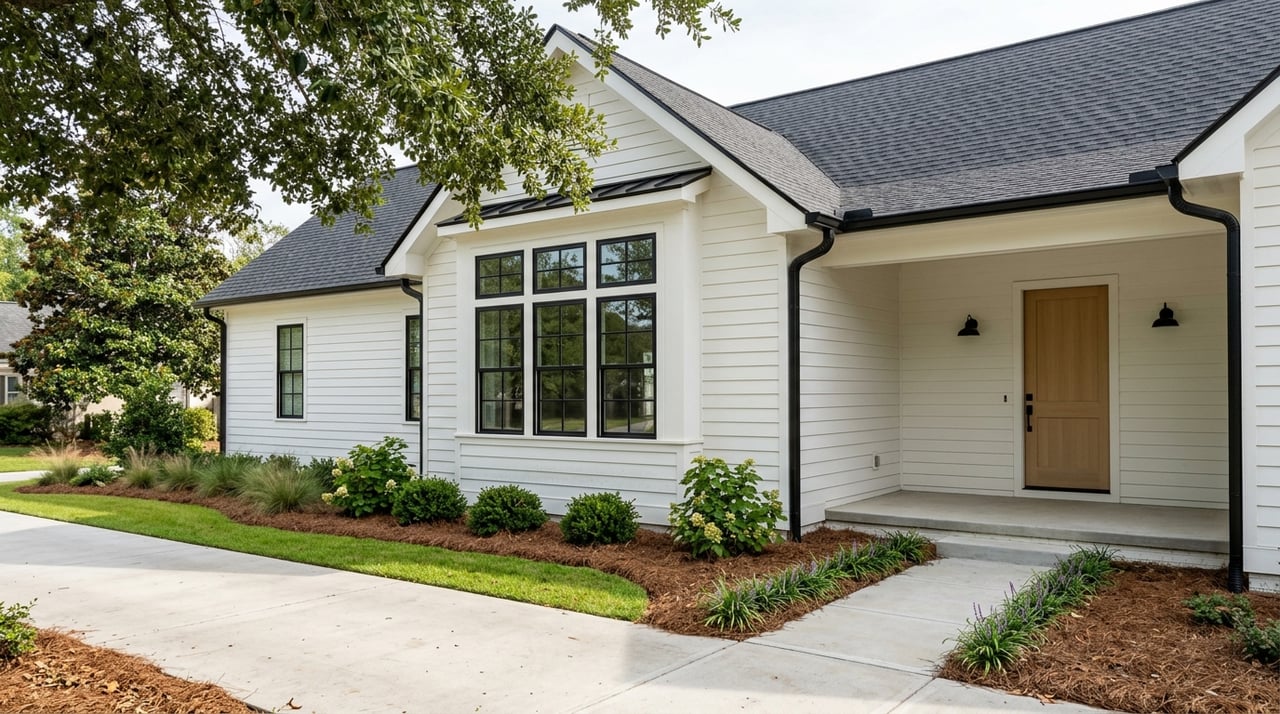
For many buyers, the biggest appeal of new construction is choice. In Summerville, newer communities can offer a wide range of floor plans, finish packages, builders, and homesite options, especially when a neighborhood is still expanding.
Communities such as Nexton and Summers Corner show how varied the new-home experience can be. Nexton says it offers homes from the $300s to over $1 million, along with parks, trails, and a large mix of shops and services. Summers Corner lists homes from the $200s to the $600s, with multiple builders, quick-move-in homes, lakes, and pine forest surroundings.
More floor plans and finishes
If personalization matters to you, new construction may feel more flexible. Depending on the builder and build stage, you may have opportunities to choose layouts, design selections, and certain structural options.
That flexibility can be especially useful if you want a home that feels more tailored from day one. In active phases of newer communities, some buyers may also find larger, deeper, or wooded homesites that are harder to replicate in fully built-out neighborhoods.
Community amenities and newer layouts
Many new-home communities in Summerville are designed around amenities and connected outdoor spaces. For example, Nexton highlights 50-plus parks and 20 miles of trails, while Summers Corner emphasizes parks, lakes, and a walkable village-style layout.
If you like the idea of a neighborhood with a cohesive plan and newer infrastructure, this may be a strong advantage. You may also find more modern interior layouts, which can include open-concept living, newer systems, and current design features.
Builder warranties and construction protections
Another practical benefit is warranty coverage. According to the Federal Trade Commission, newly built homes often include a builder warranty, commonly covering one year for workmanship and materials, two years for HVAC, plumbing, and electrical systems, and sometimes up to 10 years for major structural defects.
That does not mean every issue is automatically covered, but it does create a different ownership experience than buying an older home. With a resale property, a home warranty is usually a separate service contract that may be purchased at added cost.
What to watch for with new construction
New construction can be appealing, but it also comes with details that deserve careful review. If the home is not finished yet, your contract terms, deposit structure, and timeline matter more than many buyers expect.
The Consumer Financial Protection Bureau says builders may require upfront builder earnest money for homes that are not yet built. It also recommends asking when that deposit can be returned, remembering that you do not have to use the builder’s preferred lender, and making the purchase contingent on financing and a satisfactory inspection.
Build time can affect your move
If you need to move quickly, a to-be-built home may not be the easiest path. Construction schedules can differ based on phase releases, permitting, labor, materials, and weather.
A quick-move-in or completed new home may help shorten that timeline. Still, if your move date is firm, resale may give you a clearer path because the home already exists and can usually be inspected and closed on more directly.
What resale homes offer
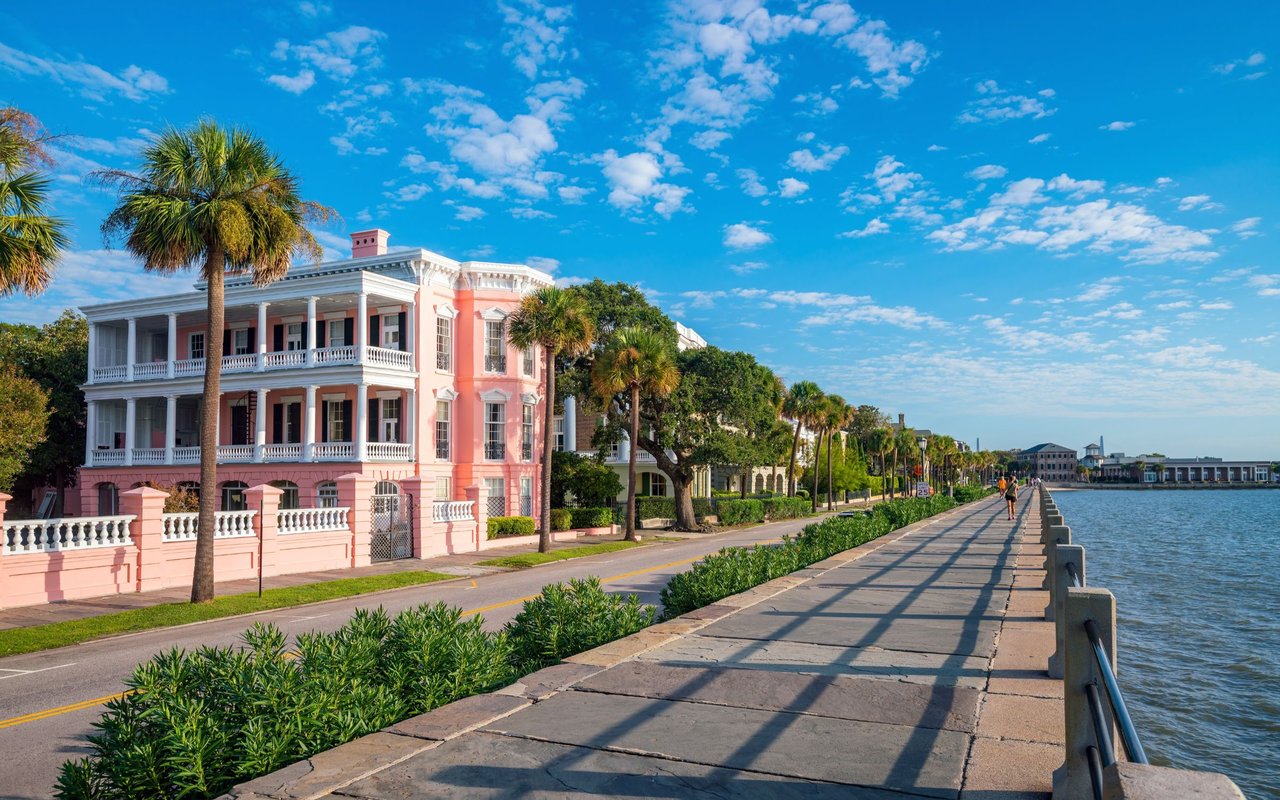
Resale homes often appeal to buyers who want a more established setting. In Summerville, that can mean mature trees, settled streets, older architectural details, and neighborhoods with a strong sense of place.
That local character is part of what makes Summerville distinctive. The town’s Vision Plan and downtown information emphasize preserving historic small-town charm while continuing to grow, and much of downtown is listed on the National Register of Historic Places.
Mature trees and established surroundings
If shade, lot feel, and neighborhood maturity are high on your list, resale homes may stand out. Summerville notes that it has had a tree protection ordinance since the mid-1800s and promotes a no-net-loss tree-canopy goal, which helps explain why many established areas feel greener and more shaded.
That visual difference can shape the way a neighborhood feels every day. For some buyers, mature landscaping and a less newly built setting are a major part of the decision.
Downtown character and historic context
In and around downtown, resale homes may offer a more layered environment than a newer subdivision. The town says its Historic District Board of Architectural Review reviews new construction, exterior modifications, and demolition in the historic district, showing how preservation standards shape those areas.
Nearby public spaces also reflect that investment. The Hutchinson Square revitalization added sidewalks, landscaping, oak trees, and a fountain, while renovated historic buildings continue to support downtown shops, restaurants, and businesses.
What to watch for with resale homes
The tradeoff with resale is usually condition. Older homes may come with maintenance needs, repair items, or renovation plans that should be factored into your budget from the start.
That is why inspections are so important. The Consumer Financial Protection Bureau recommends making your offer contingent on financing and a satisfactory independent inspection, hiring an inspector who is accountable to you, and allowing enough time to resolve issues before closing.
Updates and total ownership costs
A lower purchase price does not always mean lower overall cost. Depending on the home, you may need to budget for roof age, HVAC performance, plumbing updates, cosmetic improvements, or ongoing maintenance.
On the other hand, a resale home may already include features that would cost more in a new build, such as mature landscaping, larger established lots, or a location near downtown amenities. The right comparison is not just purchase price. It is total cost of ownership over time.
Key questions to help you choose
If you are deciding between new construction and resale in Summerville, focus on the factors that most affect your day-to-day life and your budget. A simple framework can make the choice much clearer.
Choose new construction if you value:
- More current floor plan options
- Opportunities to personalize finishes or design elements
- Builder warranty coverage
- Newer community amenities and infrastructure
- Potential access to phased lot releases or quick-move-in inventory
Choose resale if you value:
- A faster move-in timeline
- Mature trees and established landscaping
- Older neighborhood character and a settled street pattern
- Proximity to downtown or historic areas
- The chance to evaluate the exact home and lot as it exists today
Why professional guidance matters in South Carolina
No matter which path you choose, local guidance matters. In South Carolina, the legal side of a real estate transaction carries specific requirements.
The South Carolina Bar explains that each phase of a real estate transaction, including preparing legal instruments, closing, and recording instruments, is considered the practice of law and must be supervised by a licensed South Carolina attorney. That makes contract review, transaction coordination, and closing support especially important when you are comparing builder contracts with resale offers.
The best choice depends on your priorities
There is no single right answer between new construction and resale homes in Summerville. The better option is the one that lines up with your timeline, comfort with maintenance, design preferences, and the kind of neighborhood setting you want most.
If you want expert guidance as you compare communities, resale opportunities, and the fine print that comes with each option, Ayana Johnson can help you navigate Summerville with clear advice, strong advocacy, and a tailored plan built around your goals.
FAQs
What is the biggest difference between new construction and resale homes in Summerville?
- New construction often offers more customization, newer layouts, and builder warranties, while resale homes often offer faster move-in timing, mature landscaping, and more established neighborhood character.
How long can new construction take in Summerville?
- Build time can vary based on the builder, community phase, permitting, labor, materials, and weather, so you should ask for a clear timeline and understand whether the home is complete, quick-move-in, or not yet started.
Are builder warranties common for new homes in Summerville?
- Yes. The FTC says many newly built homes include builder warranties that commonly cover one year for workmanship and materials, two years for major systems like HVAC, plumbing, and electrical, and sometimes up to 10 years for structural defects.
Why do resale neighborhoods in Summerville often feel more shaded?
- Summerville has a long-standing focus on tree preservation, including a tree protection ordinance and a no-net-loss tree-canopy goal, which helps many established neighborhoods retain mature tree cover.
Do I still need an inspection on a new construction home in Summerville?
- Yes. The CFPB recommends making your purchase contingent on a satisfactory inspection, even with new construction, so you can identify concerns before closing.
What legal support is required for a home purchase in South Carolina?
- The South Carolina Bar says real estate closings and related legal instruments must be supervised by a licensed South Carolina attorney, which is why experienced transaction guidance is especially valuable.