Trying to match the right Summerville neighborhood with a manageable commute can feel like a puzzle. You want room to grow, everyday conveniences, and a drive that fits your routine, without surprises on costs or risk. In this guide, you’ll learn how Summerville’s different pockets live, how commutes really work, and what to check before you write an offer. Use it to narrow your search with confidence and avoid common relocation headaches. Let’s dive in.
Neighborhood styles and fit
Walkable historic downtown
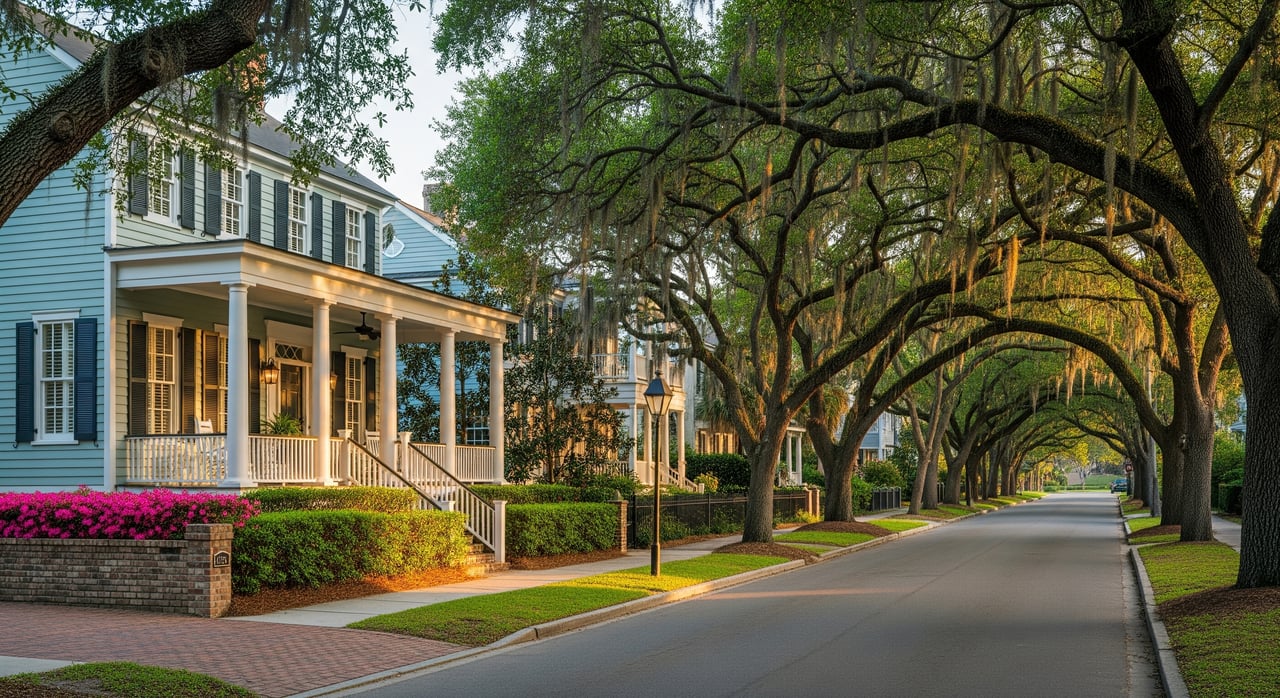
Historic Summerville centers around tree-lined streets, older cottages and bungalows, and sidewalks that connect you to shops, restaurants, and year-round community events like the Flowertown and Azalea festivals. You trade larger lots for character and shorter local errands. It’s a good match if you value walkability and mature landscaping. Expect a mix of home conditions, fewer garages, and potential design guidelines inside historic districts.
Established suburban neighborhoods
These mid-to-late 20th century and early 2000s areas often offer larger lots, established trees, and single-family homes with 3 to 5 bedrooms. You get quieter streets and convenient access to mid-town shopping, parks, and nearby schools. Many families choose these pockets for predictable routines and a traditional neighborhood feel. Amenities vary, so confirm whether there is a community pool or clubhouse.
Master-planned and new communities
Newer communities bring modern floor plans, townhome and single-family options, HOA rules, and on-site amenities like pools, trails, and playgrounds. Some blend retail and offices, which keeps daily errands close to home. These neighborhoods are often positioned with access to I-26 or US-17 corridors, which can help with commuting. Tradeoffs include HOA fees, possible construction activity nearby, and a higher price per square foot for brand-new homes.
Rural and acreage pockets
On the outskirts of Summerville and across Dorchester County, you’ll find larger lots with privacy and space for hobbies like gardening, workshops, or keeping horses. This setting suits buyers who want a quiet, rural feel while staying within reach of Charleston-area employers. Plan for longer drives to schools and retail, and confirm utilities since some parcels rely on wells, septic, or propane. Insurance and maintenance needs can be different than in town.
Commutes and getting around
Main corridors you will use
Most commuters rely on I-26 to reach North Charleston, downtown Charleston, and the airport area. Access points to I-26 from your specific neighborhood will strongly influence your daily reliability. US-17, US-17A, SC-78, and SC-61 support cross-town travel and alternate routes to employment centers. Always test your drive during your typical peak times before you commit.
Major employers and what to consider
North Charleston employers, including Boeing and logistics hubs near the airport, are commonly reached via I-26 and local connectors. Joint Base Charleston spans multiple locations, so verify the gate you use and route options. Downtown Charleston hosts medical centers, hospitality, and finance, which typically adds congestion during peak periods. Western and northern Summerville pockets can offer shorter trips to regional manufacturing and distribution facilities in the Ridgeville corridor.
Alternatives to driving solo
Regional public transit is provided by the Charleston Area Regional Transportation Authority, but direct service in Summerville is limited compared with denser urban areas. Some large employers and military communities organize carpools and vanpools, which can reduce stress and costs. Biking and walking work well inside historic downtown and some master-planned neighborhoods. For broader updates on highways and transportation projects, check the South Carolina Department of Transportation.
Peak periods and parking
I-26 experiences bottlenecks in the morning and evening, plus periodic weekend slowdowns during tourism season and special events. Many large employers offer on-site parking, but timing and rules vary. If you’re considering a base commute, confirm gate access procedures in advance. Keep an eye on park-and-ride options or employer-sponsored shuttles, which can change over time.
Everyday conveniences that shape fit
Schools and childcare
Summerville is primarily served by Dorchester School District Two. Attendance zones depend on your address, so always confirm current boundaries and any upcoming changes. Private and charter options exist, and some programs have waitlists. If childcare or preschool is important, start outreach early to local providers to secure a spot near your home or workplace.
Healthcare and emergency services
Summerville offers urgent care clinics and primary care offices in town, while major hospitals and specialty centers are concentrated across the Charleston metro. For regional hospital care and specialties, review offerings from MUSC Health and Roper St. Francis Healthcare. If you have pediatric needs or specific specialties, verify new patient availability and typical drive times from the pocket you are considering. Proximity and traffic patterns can matter during peak periods.
Groceries and shopping
You will find familiar grocery chains, pharmacies, hardware stores, and day-to-day services within Summerville, especially near major highways. For larger specialty items or big-box selections, many residents make occasional trips to bigger retail centers across the metro. Map your most common errands to see how each neighborhood fits your routine. A 10-minute difference on a daily errand can add up over time.
Parks, recreation, and community life
Summerville has a strong community calendar with family-friendly parks, playgrounds, and seasonal festivals. Explore the Town of Summerville resources to see parks, programs, and events that appeal to your household. Outdoor time is easy to find in local green spaces and along the Ashley River corridor. Youth sports, arts, and recreation programs run year-round through local leagues and community centers.
Utilities and internet
Inside town limits, water and sewer are typically provided by municipal or county systems, while rural parcels may rely on wells and septic. Electric providers vary by location. High-speed internet availability, including fiber, can differ from one neighborhood to the next, especially in new subdivisions and rural areas. If remote work or streaming is essential, confirm service levels before you go under contract.
Cost, risk, and resale factors
What drives housing cost
New construction often carries a premium and HOA fees, while resale homes may offer larger lots or historic character. Lot size, proximity to major roads, and access to employment centers influence value and demand. Always compare HOA fees with the amenities and potential maintenance savings. Property taxes vary by municipality and millage, so review tax history early.
Insurance and climate risk
Flood considerations are a routine part of Lowcountry homeownership. Review FEMA Flood Insurance Rate Maps using the FEMA Flood Map Service Center and ask for elevation certificates where applicable. Some homes may require flood insurance even outside higher-risk zones due to local stormwater dynamics. Wind and hurricane coverage can influence premiums, so ask about building codes, mitigation features, and policy details.
Resale and appreciation
Convenient access to I-26 and major employers generally supports buyer demand. Perceived school zone quality, lot size, and neighborhood amenities can influence resale. New master-planned communities can lift nearby values while also adding competition, so track planned developments and inventory coming online. For economic context and employer growth trends, consult the Charleston Regional Development Alliance.
Quick decision checklist
- Commute test: Drive your route to the primary employer during your actual peak hours and compare alternates.
- School verification: Confirm attendance zones and enrollment steps with Dorchester School District Two.
- Flood and insurance: Check FEMA maps, elevation data, and insurance quotes, and ask about any flood history.
- Utilities and internet: Confirm providers and speeds for water, sewer, electric, gas or propane, and broadband.
- HOA and covenants: Review bylaws, fees, reserves, and architectural guidelines before you finalize an offer.
- Local amenities: Map grocery, healthcare, parks, childcare, and your typical errands, then test them at different times.
- Future development: Check county planning and permits for projects that could affect traffic or neighborhood character via Dorchester County.
- Budget buffer: Include commuting costs, vehicle wear, and potential flood or wind insurance in your monthly plan.
Which pocket fits your priorities?
- You want walkability, short local errands, and character: Focus on historic downtown streets, accept smaller lots, and plan for potential renovation.
- You want a traditional suburban feel with space and trees: Look at established subdivisions near mid-town shopping and parks, then verify commute access to I-26.
- You want new, low-maintenance living and amenities: Consider master-planned communities closer to growth corridors and weigh HOA fees against benefits.
- You want privacy and acreage: Explore rural Dorchester County pockets and confirm utilities, drive times, and insurance.
As you compare routes and routines, remember that I-26 bottlenecks and employer schedules can change. Check real-time conditions with navigation apps, transit options with CARTA, and highway updates with SCDOT. For parks, programming, and events, keep the Town of Summerville on your radar.
Ready to find your best-fit Summerville pocket and negotiate with confidence? Our boutique team blends local expertise with attentive, white-glove service to guide your move from the first tour through closing. Reach out to Ayana Johnson to start a focused search that aligns neighborhood, commute, and lifestyle.
FAQs
Summerville relocations: How do I choose a neighborhood for a Boeing commute?
- Start by testing your peak-hour route to the airport area via I-26, prioritize neighborhoods with reliable interstate access, and confirm employer parking or rideshare options.
Summerville traffic: How much time should I budget to North Charleston or downtown?
- Times vary by pocket and time of day, so drive your exact route during your typical peak periods and compare alternates like SC-61 or US-17A when conditions warrant.
Flood insurance in Summerville: Do I need it outside high-risk zones?
- It depends on elevation and local conditions, so check FEMA maps, ask for elevation data, and price policies with your insurer, even if the property is not in a VE or AE zone.
HOA costs in new communities: What should I weigh?
- Compare monthly fees against included amenities, lawn or maintenance savings, community rules, and long-term reserves to understand the full value and obligations.
Family services in Summerville: Where will I find hospitals and pediatric care?
- Primary care and urgent care are in town, while major hospitals and specialties are in the metro; review services from MUSC Health and Roper St. Francis.
Public transit options in Summerville: Is there a park-and-ride?
- Service is limited compared with urban cores, so check current routes and any park-and-ride details with CARTA and confirm employer shuttles or carpools.