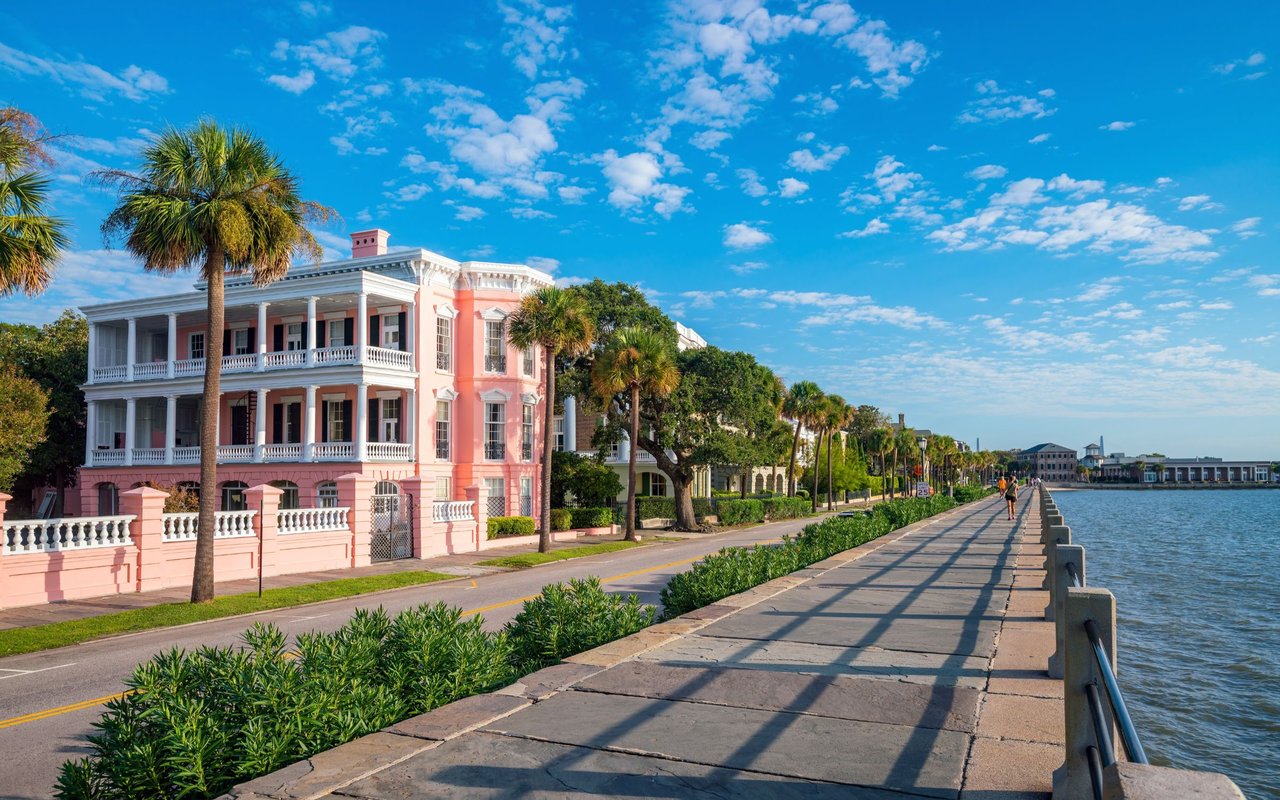
Thinking about buying an investment property in Charleston and turning it into a short-term rental? You’re not alone. Demand is strong, but so is the city’s oversight. The fastest way to protect your returns is to learn how local rules work and plan your strategy around them. In this primer, you’ll get a clear overview of zoning, permits, taxes, safety standards, and enforcement, plus a quick due diligence checklist before you buy. Let’s dive in.
How Charleston regulates STRs
Charleston regulates short-term rentals at the city level. That means local zoning, permitting, and enforcement govern whether and how you can rent a home by the night or week. Rules can and do change, so you should confirm current requirements on the City of Charleston’s official site and the municipal code hosted on Municode.
State and county layers also matter. You will interact with state tax registration and potentially local hospitality or accommodations taxes. You can find county resources at Charleston County and state tax guidance at the South Carolina Department of Revenue.
Where STRs are allowed: zoning basics
Whether a property is eligible for a short-term rental depends on its zoning district and any overlays. Charleston uses a mix of standard zoning and special districts that can affect use, occupancy, and parking. Check the applicable zoning and any overlays before you write an offer.
Historic districts add another consideration. Exterior changes and signage may require review, and operating standards can be stricter in dense, historic areas. For context on preservation and district oversight, review resources from the Historic Charleston Foundation and confirm current requirements with the City.
Permit and application essentials
Most investor scenarios require a city permit or registration before you host. Expect a formal application, a fee, and documentation that proves compliance with safety and operational rules. Many programs ask for a local responsible party who can be reached 24/7, proof of insurance, and posting of rules and the permit number inside the property.
Some cities separate owner-occupied rentals from whole-home rentals and apply different caps or standards. Charleston’s specifics are detailed on City pages and in the municipal code. Review the City of Charleston site and the code library to confirm permit categories, renewals, and posting rules before you list.
Taxes and business licensing
Short-term rentals typically trigger lodging and hospitality taxes, plus possible business licensing. In South Carolina, you will register and remit state accommodations taxes through the Department of Revenue. The City and County may have additional local taxes or procedures, so review guidance on the City of Charleston and Charleston County sites.
Some booking platforms collect and remit certain taxes, but that does not always cover all obligations. You remain responsible for proper registration and for any taxes the platforms do not remit on your behalf. Build these costs into your underwriting so your pro forma reflects true net income.
Safety, occupancy, and neighborhood standards
Plan on meeting life-safety requirements. Typical items include working smoke and carbon monoxide detectors, safe egress, and clear posting of emergency information. You may see occupancy tied to bedroom count or square footage, plus parking and trash rules designed to limit neighborhood impacts.
Many cities require a 24/7 local contact for complaints or emergencies. You may also need to post quiet hours and house rules inside the home. Review the City’s pages for details and be ready to document compliance during application and renewal.
Enforcement and penalties
Charleston, like many cities, often relies on complaint-driven enforcement with escalating penalties. Violations can bring fines, permit suspension or revocation, and potential civil action. Repeated noncompliance usually leads to steeper consequences, which can impact your revenue and resale value.
The municipal code outlines enforcement procedures and appeal options. Start with the City of Charleston for current guidance, then verify specifics in the code library so your operating plan aligns with the law.
Special districts and HOAs
Historic districts and special overlays may add review or stricter standards for exterior changes and signage. Always check whether a district requires additional approvals beyond your STR permit. The Historic Charleston Foundation offers useful context, and the City can confirm current review processes.
Homeowners’ associations can prohibit or limit short-term rentals even if the City allows them. Read covenants and bylaws closely during due diligence. Private restrictions apply regardless of municipal permissions and can change your investment thesis.
Due diligence checklist before you buy
Use this quick checklist to vet a potential STR property in Charleston:
- Confirm zoning and overlays. Verify your use is allowed and note any caps, parking, or occupancy rules in the relevant district. Cross-check details on the City of Charleston site and the municipal code.
- Ask about permit eligibility and timing. Identify the permit type, documentation, inspection needs, renewal cycle, and posting rules.
- Review HOA covenants. Ensure STR use is permitted and look for any minimum lease terms or guest policies.
- Model taxes and fees. Register with the SC Department of Revenue and estimate state and local accommodations or hospitality taxes. Confirm what, if anything, platforms remit.
- Validate safety requirements. Budget for detectors, egress improvements, signage, and any inspection or certificate fees.
- Confirm insurance and lending. Check with your insurer and lender about STR use and any coverage or financing restrictions.
- Plan operations. Identify your 24/7 local contact or professional manager and document noise, parking, and trash procedures.
Pro tips for underwriting your STR
- Build a compliance reserve. Set aside funds for permitting, renewals, inspections, and potential upgrades required by code.
- Stress test occupancy. Model seasonality and local events, but avoid over-reliance on peak months. A conservative baseline protects your return.
- Account for enforcement risk. Strong neighbor relations and clear house rules reduce complaints and protect your permit.
- Track ordinance updates. Periodic changes can affect density caps, fees, or operating standards. Monitor the City of Charleston and City Council updates hosted via the code library.
Who to contact and where to verify
- City of Charleston: Use the official site to locate STR program pages, permits, and contact information for Planning and Code Enforcement.
- Municipal code: Search Charleston’s ordinances in the Municode library to read definitions, permit standards, and enforcement procedures.
- State tax registration: Register and learn filing steps at the South Carolina Department of Revenue.
- County resources: For local tax and records support, visit Charleston County.
- Historic context: Review district guidance and preservation context from the Historic Charleston Foundation and confirm requirements with the City.
A clear, compliant plan will help you protect income, minimize neighbor friction, and preserve resale value. If you want a property that aligns with Charleston’s rules and your revenue goals, we’re here to help you evaluate options, model taxes and fees, and navigate zoning and permitting resources with confidence. For tailored guidance and on-the-ground insight into Charleston’s micro-markets, connect with Ayana Johnson.
FAQs
Do you need a permit to run a short-term rental in Charleston?
- In most cases, yes. Start on the City of Charleston site and confirm current permit or registration requirements in the municipal code.
Are owner-occupied STRs treated differently than whole-home rentals in Charleston?
- Many cities use separate categories with distinct rules. Check Charleston’s current standards on the City of Charleston site and verify definitions in the code library.
What taxes apply to Charleston short-term rentals?
- Expect state accommodations taxes through the South Carolina Department of Revenue and possible local hospitality or accommodations taxes via the City or County.
Can you operate an STR in Charleston’s Historic Districts?
- Possibly, but extra review may apply for exterior changes and signage. Confirm requirements with the City and review context from the Historic Charleston Foundation.
What are common occupancy and parking rules for STRs in Charleston?
- Many programs tie occupancy to bedrooms or square footage and set parking and trash standards. Verify the specifics for your zone in the municipal code and on the City of Charleston site.
How is short-term rental enforcement handled in Charleston?
- Enforcement is often complaint-driven with fines, suspensions, or revocations for violations. Review procedures on the City of Charleston site and the code library.
Do HOA rules override City permission to host a short-term rental?
- Yes. Private covenants can prohibit STRs even when the City permits them. Always review HOA documents during due diligence.