Are you drawn to Charleston because you want harbor views, historic streets, and walkable city energy all in one place? You are not alone. For many buyers, Charleston stands out because the waterfront is not separated from daily life. It is woven into downtown parks, dining districts, neighborhood streets, and the rhythm of the peninsula. If you are trying to decide whether Charleston’s waterfront and urban lifestyle is the right fit, this guide will help you understand where that overlap shows up, what tradeoffs to expect, and what to evaluate before you buy. Let’s dive in.
How Charleston blends waterfront and city life
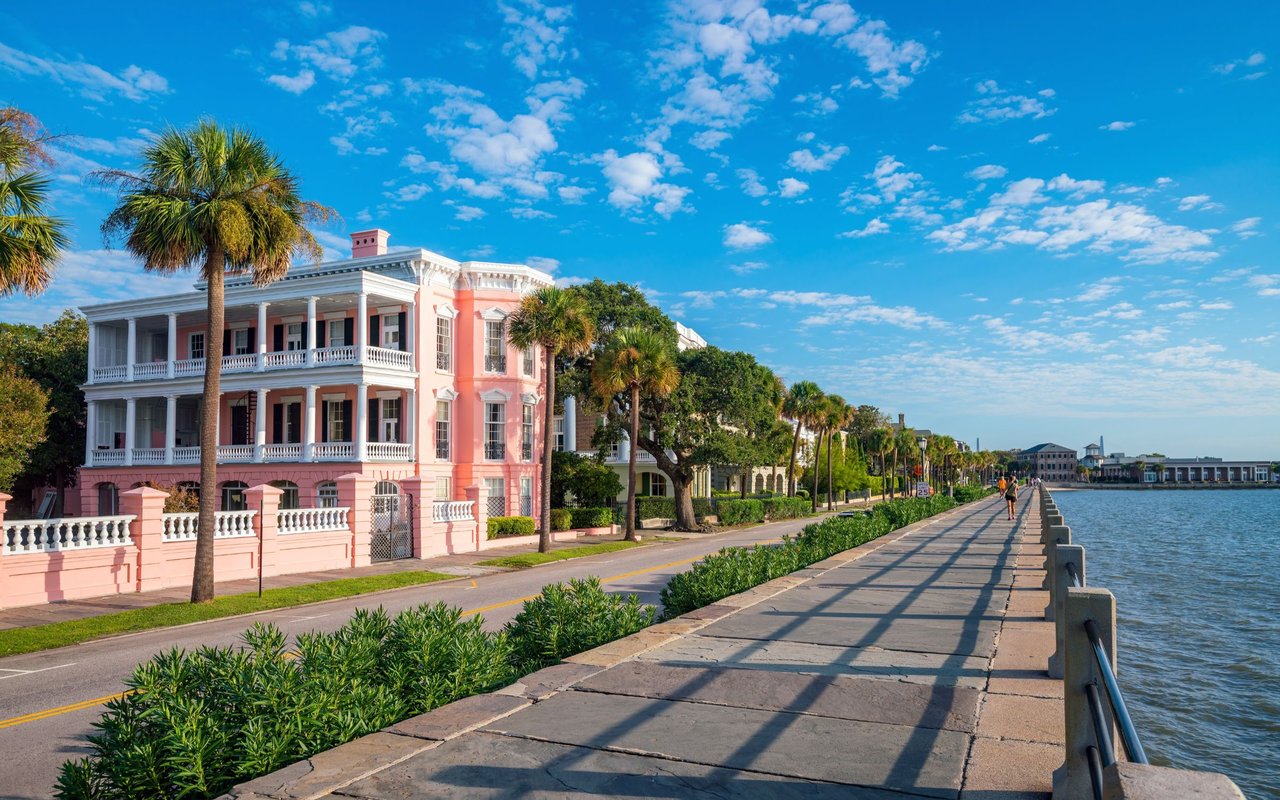
Charleston is, at its core, a harbor city. It sits on Charleston Harbor, where the Ashley and Cooper Rivers meet, and that geography shapes how the city feels day to day. Instead of treating the waterfront as a separate destination, Charleston folds it into public spaces, historic areas, and neighborhood living.
That is part of what makes the city so distinctive. You can move between harbor views, promenades, restaurants, and historic streets within the same routine. On the peninsula, waterfront living and urban living often overlap rather than compete.
The city’s planning efforts also reinforce that identity. Charleston has a community-driven Peninsula Plan and an Upper Peninsula Initiative focused on growth, restaurants, workplaces, and dense housing. In practical terms, that means the peninsula continues to evolve as both a place to live and a place to enjoy.
Where waterfront Charleston feels most iconic
French Quarter and Battery
If you picture Charleston as a historic waterfront city, this is likely the area you are imagining. The French Quarter and Battery are closely tied to the city’s historic identity, and they offer some of the clearest examples of harbor-facing streets and public waterfront access.
Waterfront Park adds an important layer to the lifestyle here. It is an eight-acre linear park and pier along the harbor edge, which means waterfront access is not only for private property owners. For buyers who want iconic architecture, harbor proximity, and a distinctly historic setting, this part of Charleston is often the strongest match.
Old and Historic District
The Old and Historic District offers much of the same visual appeal, but it also comes with a major ownership consideration. In Charleston’s historic districts, the Board of Architectural Review oversees new construction, visible exterior changes, and certain demolitions.
That matters if you are buying a property with renovation plans or selling a home where future buyers may ask about improvement potential. In these locations, charm and preservation go hand in hand. Understanding both is key to making a confident decision.
Where urban Charleston feels most walkable
King Street and Upper King
King Street is Charleston’s best-known shopping and dining corridor. It is one of the strongest examples of car-light urban living on the peninsula because it puts restaurants, retail, and entertainment close together.
CARTA’s free DASH service strengthens that convenience. It connects key peninsula destinations including Historic King Street, the Broad Street Shopping District, Waterfront Park, City Market, the Charleston Museum, and Upper King. If you want a lifestyle where your plans can include walking, short rides, and less dependence on a car, this corridor is a strong fit.
Broad Street and City Market area
The Broad Street and City Market area extends that same urban energy into another highly active part of downtown. You are close to historic streets, shopping, waterfront access, and a steady flow of city activity.
That convenience does come with practical tradeoffs. Downtown parking is actively managed, on-street meters operate Monday through Saturday, and King Street has added weekend parking restrictions. If you are considering this lifestyle, parking strategy should be part of your home search, not an afterthought.
Where the peninsula feels more residential
Cannonborough-Elliottborough and Radcliffeborough
Not every urban neighborhood on the peninsula feels tourism-driven. Cannonborough-Elliottborough and Radcliffeborough are better examples of close-in residential living where you still get access to the city core.
Charleston’s planning work highlights these neighborhoods in conversations about pedestrian links, bicycle access, traffic flow, parking, mobility, and neighborhood livability. DeReef Park also serves nearby residents, adding a useful everyday amenity within the area. For many buyers, these neighborhoods offer a more lived-in urban feel.
These areas also come with neighborhood-specific rules worth reviewing. Charleston’s residential rental registration program began in Cannonborough-Elliottborough and expanded to Radcliffeborough and Mazyck-Wraggborough. If long-term rental use is part of your ownership goals, you will want to understand how local registration requirements apply.
Harleston Village and Westside
Harleston Village and Westside are also part of the peninsula’s residential-urban mix. City studies identify these neighborhoods as directly affected by traffic flow, parking, mobility, and livability changes, which tells you something important about the experience here.
These are active city neighborhoods where daily convenience and transportation planning play a real role in quality of life. If you like being close to downtown but want more of a neighborhood setting than a commercial corridor, these areas may deserve a closer look.
Wagener Terrace
Wagener Terrace offers a quieter option near downtown. The neighborhood is described as a historic area with tree-lined streets, Ashley River views, and access to parks, restaurants, and shopping.
This makes it appealing if you want urban proximity with a more residential pace. It still carries some waterfront character, especially with references to maintaining water access along the Ashley River and Halsey Creek, but the everyday feel can be calmer than the tourist-heavy waterfront core.
What daily life can look like
Charleston supports a multimodal way of getting around, especially on the peninsula. The city specifically treats bicycle and pedestrian access as a necessary part of its street system, and residents use walking and biking for commuting, errands, and recreation.
That means a car-light lifestyle is realistic in the right location. If you live near downtown destinations, restaurants, parks, and DASH stops, you may be able to handle many outings without driving every time.
Still, realistic expectations matter. Parking remains a regular part of urban life in Charleston, and the city manages downtown parking closely. Residential parking decals are available in Peninsula Parking Districts, and ongoing traffic studies show that mobility and neighborhood livability are still active issues across the peninsula.
What to weigh before you buy
Flood risk matters in Charleston
Flood risk is one of the biggest practical issues tied to waterfront and low-lying urban living in Charleston. The city defines the Special Flood Hazard Area as land with a 1% or greater annual chance of flooding. AE and VE zones are considered high-hazard zones, while X zones are outside the SFHA.
It is also important to know that flood exposure is not limited to one map category. Charleston notes that even areas outside the SFHA can still experience local drainage problems, unmapped floodplains, sea-level-rise impacts, or other hazards. If you are comparing properties, flood-zone review and property-specific due diligence should be part of your early decision process.
For certain properties, improvement plans can also trigger compliance issues. New or substantially improved buildings in the SFHA must meet current flood-design requirements and obtain the proper permits and certificates. That can affect renovation scope, budget, and timeline.
Historic review can shape renovation plans
If you are buying in one of Charleston’s historic districts, renovation freedom may look different than it would in a newer neighborhood. The Board of Architectural Review reviews new construction, alterations, and renovations visible from the public right-of-way within historic districts.
The board also reviews demolitions of buildings 50 years old or older south of Mount Pleasant Street, as well as any demolition within the Old and Historic District. Some minor work may be handled at staff level, but larger exterior changes can require formal review. If architectural character is part of the appeal for you, it is equally important to understand the review process that protects it.
How to choose the right fit
Charleston’s waterfront and urban lifestyle is best understood as a spectrum. On one end, you have iconic historic waterfront living in areas like the French Quarter and Battery. In the middle, you have walkable retail and dining corridors like King Street and Broad Street. Just beyond that, you have residential peninsula neighborhoods that keep you close to downtown while offering a different pace.
The right choice depends on how you want your days to feel. Do you want harbor views and historic architecture? Do you want a routine built around restaurants, retail, and short walks? Or do you want close-in neighborhood living with easier access to both downtown and the water?
A strong home search in Charleston usually balances lifestyle goals with practical details. That includes parking, flood exposure, preservation review, and any neighborhood-specific regulations that may affect how you use the property. When you weigh both sides clearly, you are much more likely to choose a home that fits the way you actually want to live.
If you are thinking about buying or selling in Charleston, working with a team that understands these micro-markets can make the process much smoother. From historic waterfront blocks to residential peninsula neighborhoods, local insight matters when the details vary this much from one area to the next. When you are ready for tailored guidance, connect with Ayana Johnson for a polished, high-touch approach backed by real Charleston expertise.
FAQs
What does waterfront living in Charleston usually mean?
- In Charleston, waterfront living often means being close to Charleston Harbor, the Ashley River, or the Cooper River, with access to public spaces like Waterfront Park and nearby walkable downtown amenities.
Which Charleston areas best combine waterfront and historic character?
- The French Quarter, Battery, and Old and Historic District are the clearest examples of Charleston’s historic waterfront identity, with harbor proximity, preserved architecture, and public waterfront access.
Which Charleston areas offer a more residential urban feel?
- Cannonborough-Elliottborough, Radcliffeborough, Harleston Village, Westside, and Wagener Terrace are useful areas to consider if you want neighborhood-oriented living close to downtown.
Is car-light living realistic in downtown Charleston?
- Yes, in the right peninsula location, walking, biking, and CARTA’s free DASH service can support a car-light lifestyle, though parking rules and restrictions are still an important part of daily life.
What should buyers know about flood risk in Charleston?
- Buyers should review flood-zone information carefully because Charleston notes that both mapped flood-hazard areas and some areas outside them can still face flooding or drainage-related risks.
What should buyers know about historic district rules in Charleston?
- Buyers in Charleston historic districts should know that visible exterior changes, some renovations, new construction, and certain demolitions may require review by the Board of Architectural Review.
Are there neighborhood-specific rental rules on the Charleston peninsula?
- Yes, Charleston’s residential rental registration program applies in Cannonborough-Elliottborough and has expanded to Radcliffeborough and Mazyck-Wraggborough, so owners should review local requirements before planning rental use.