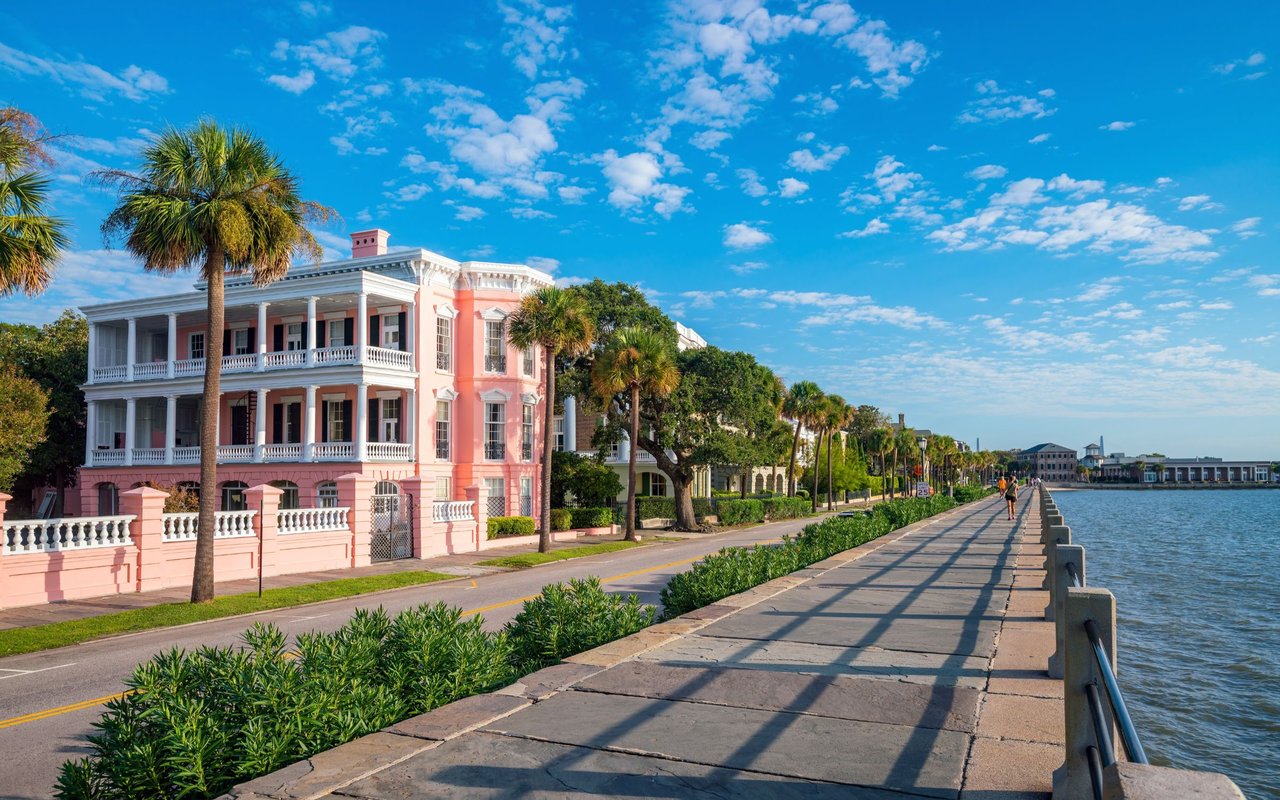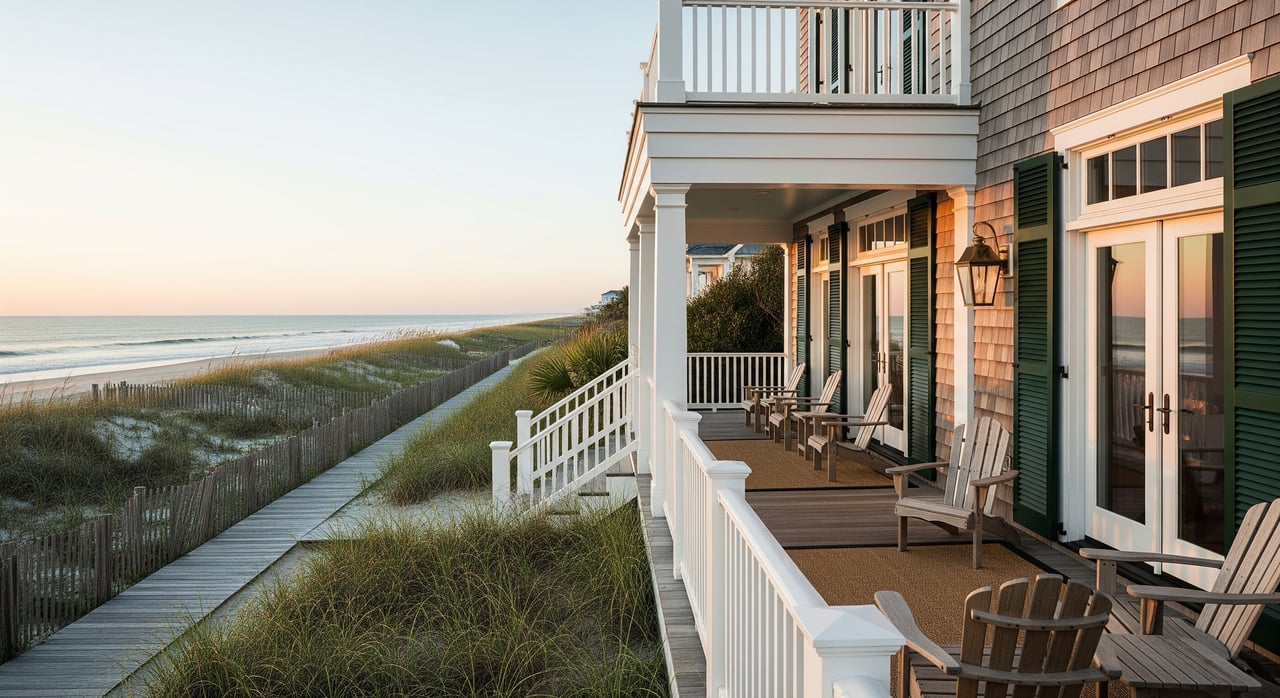
Ever picture your morning starting with salt air and a quiet walk along a wide, sandy beach? If you’re considering Isle of Palms, you’re probably weighing more than the view. You want to know how daily life works, from errands and schools to storm prep and short‑term rental rules. This guide covers the lifestyle, logistics, costs, and considerations so you can decide if IOP feels like home. Let’s dive in.
Isle of Palms at a glance
Isle of Palms is a small barrier island just northeast of downtown Charleston across the Intracoastal Waterway. You’ll find a relaxed beach‑town vibe shaped by outdoor recreation, seafood spots, and strong seasonal visitor cycles. The resident population numbers only a few thousand outside peak season, which creates a close‑knit feel and quieter winters.
The island blends year‑round neighborhoods, seasonal vacation rentals, and the amenity‑rich Wild Dunes resort area. Life is outdoors‑forward: beach walks, boating days, biking to dinner, and golf when the weather is right. If you want dense nightlife or big‑box retail on your doorstep, you’ll likely drive off‑island for that.
Homes and neighborhoods
Housing ranges from beachfront single‑family homes and marsh‑front retreats to elevated cottages on pilings, condos, and townhomes. Many homes are designed for coastal conditions with elevated first floors and wind‑rated construction.
Wild Dunes stands apart as a resort neighborhood with pools, dining, and two championship golf courses. If you want a lock‑and‑leave setup or resort amenities, explore the options at the Wild Dunes Resort.
Beach life and local rules
Public beach access is easy across the island, and you’ll find seasonal lifeguard coverage at designated areas. Conditions at Breach Inlet can be stronger, so pay attention to posted advisories and lifeguard flags.
The city manages parking, dog rules, and permitted activities on the beach. Before you bring your pup or plan a full beach day, review the latest guidance on the City of Isle of Palms website for beach rules, parking updates, and access points.
Boating, fishing, and the water
With the Intracoastal Waterway to the west and the Atlantic to the east, boating is part of everyday life here. Residents run small powerboats and bay boats, and many keep kayaks or paddleboards at the ready. Surf fishing, inlet casting, and nearshore trips are popular, and charter operators in the area serve both locals and visitors.
If you’re considering a boat, plan for slip or trailer storage, seasonal maintenance, and tides. Expect busy waterways during summer and holidays.
Dining, errands, and services
On‑island dining leans casual and coastal with waterfront views and resort options in Wild Dunes. You’ll find cafés, ice cream, and a few convenience and specialty stores.
For broader grocery choices and larger shopping runs, most residents drive to Mount Pleasant. It’s a quick hop over the Connector for supermarkets, pharmacies, and a wider restaurant scene. Specialty medical care, urgent care, and hospitals are also more abundant on the mainland.
Schools and childcare
Students living on Isle of Palms are served by the Charleston County School District. School assignments depend on your address, so it’s smart to double‑check zoning and enrollment steps on the Charleston County School District site if schools are part of your decision.
Many families explore a mix of public and private options in neighboring Mount Pleasant and across Charleston. Plan your daily schedule with commute times in mind, especially during peak seasons.
Getting around and commute
IOP connects to the mainland via the Isle of Palms Connector into Mount Pleasant and then to US‑17 and I‑526. Depending on time of day and destination, the drive to downtown Charleston typically ranges from about 20 to 40 minutes. In summer and on holiday weekends, traffic and parking can be tighter, especially near the beach.
Public transit is limited compared with the mainland. Many residents rely on personal vehicles and bikes for on‑island travel. The island is bike‑friendly, and resort areas often allow golf carts per local ordinances and neighborhood rules.
Seasons and storm readiness
Life on a barrier island comes with a seasonal rhythm. Late spring through summer brings the most visitors and lively beach days. Shoulder seasons in spring and fall are popular for milder weather. Winters are quieter, and some businesses reduce hours.
Hurricane season runs June through November, with peak activity often in late summer to early fall. The island is in a coastal evacuation zone, and you should have a plan for storms. Review local guidance and evacuation routes through Charleston County Emergency Management and the City of Isle of Palms channels.
Costs and ownership realities
Beach living is special, and it comes with unique ownership considerations. Here are a few to budget for:
- Insurance. Coastal properties face higher insurance costs. You may need homeowners policies that address wind and hail, plus a separate flood policy. If a property is in a Special Flood Hazard Area, lenders will require flood insurance. Check maps and start with the FEMA Flood Map Service Center to understand a specific address.
- HOA and resort dues. Condos and communities, including those in resort areas, typically have association fees. Factor in resort access or club dues if applicable.
- Maintenance. Salt air accelerates wear on exteriors, decks, HVAC components, and metal fixtures. Regular painting, wood care, and corrosion prevention are non‑negotiable line items.
- Property taxes and occupancy taxes. Tax rates are set by Charleston County and local municipalities. If you plan to rent seasonally, account for required business licenses and occupancy or tourism taxes.
Home prices on IOP trend higher than comparable mainland properties because of beach access, water views, and limited supply. Condos are often a more accessible entry point than single‑family beachfront homes. For current pricing and trends, use up‑to‑date local market reports and MLS data when you get serious about a purchase.
Building, elevation, and permits
Many homes are elevated on pilings to meet floodplain and building code standards. If you plan to renovate, you will work with city permits, and oceanfront or dune‑adjacent properties can involve extra layers of review for coastal and environmental protection.
When evaluating a home, ask for the elevation certificate, look at base flood elevation, and review the age and specs of structural and mechanical systems. Your inspector, surveyor, and insurance agent are key partners in this process.
Short‑term rentals: know the rules
Short‑term rentals are part of the island’s ecosystem and a driver of visitor traffic. The city requires business licensing, occupancy tax collection, and adherence to health, safety, and noise ordinances.
Rules can change. Before you rely on rental income in your financial plan, review the latest requirements with the City’s planning and business licensing offices on the City of Isle of Palms website and build conservative assumptions into your numbers.
Is Isle of Palms the right fit?
Choose Isle of Palms if you want everyday access to wide beaches, a slower coastal rhythm, and outdoor‑oriented living. Expect a small‑town feel in the off‑season with a lively summer, more driving for major errands, and higher ownership costs tied to coastal conditions. If that balance sounds right, IOP rewards you with sunrise strolls, afternoons on the water, and neighbors who value the same.
Ready to explore neighborhoods, compare ownership costs, or learn about pre‑market opportunities? Reach out to Ayana Johnson for tailored guidance and on‑the‑ground market insight.
FAQs
Is Isle of Palms mostly vacation homes or year‑round?
- It’s both, with year‑round neighborhoods alongside a strong seasonal rental market; the mix varies by street and community.
How long is the drive to downtown Charleston on average?
- Plan on roughly 20 to 40 minutes depending on destination and traffic, with longer times during summer weekends and peak commuting hours.
What owners’ costs are higher on a barrier island?
- Expect higher wind and flood insurance, HOA or resort fees where applicable, and more frequent exterior maintenance due to salt air.
Where can I find current beach rules and parking info?
- Check the latest updates on the City of Isle of Palms website before heading out, especially during peak season.
How do I evaluate flood risk for a specific property?
- Review elevation certificates, historic flood information, and FEMA maps starting at the FEMA Flood Map Service Center, and consult your lender and insurer.